Bagasse is the dry, fibrous pulp left over after juice is extracted from sugarcane stalks. Instead of being burned as waste, it is molded into sturdy, disposable tableware such as plates, bowls, clamshells, and meal trays. Bagasse tableware is grease and water resistant, microwave and freezer safe, and compostable, which is why it has become a leading plastic-free choice for foodservice.
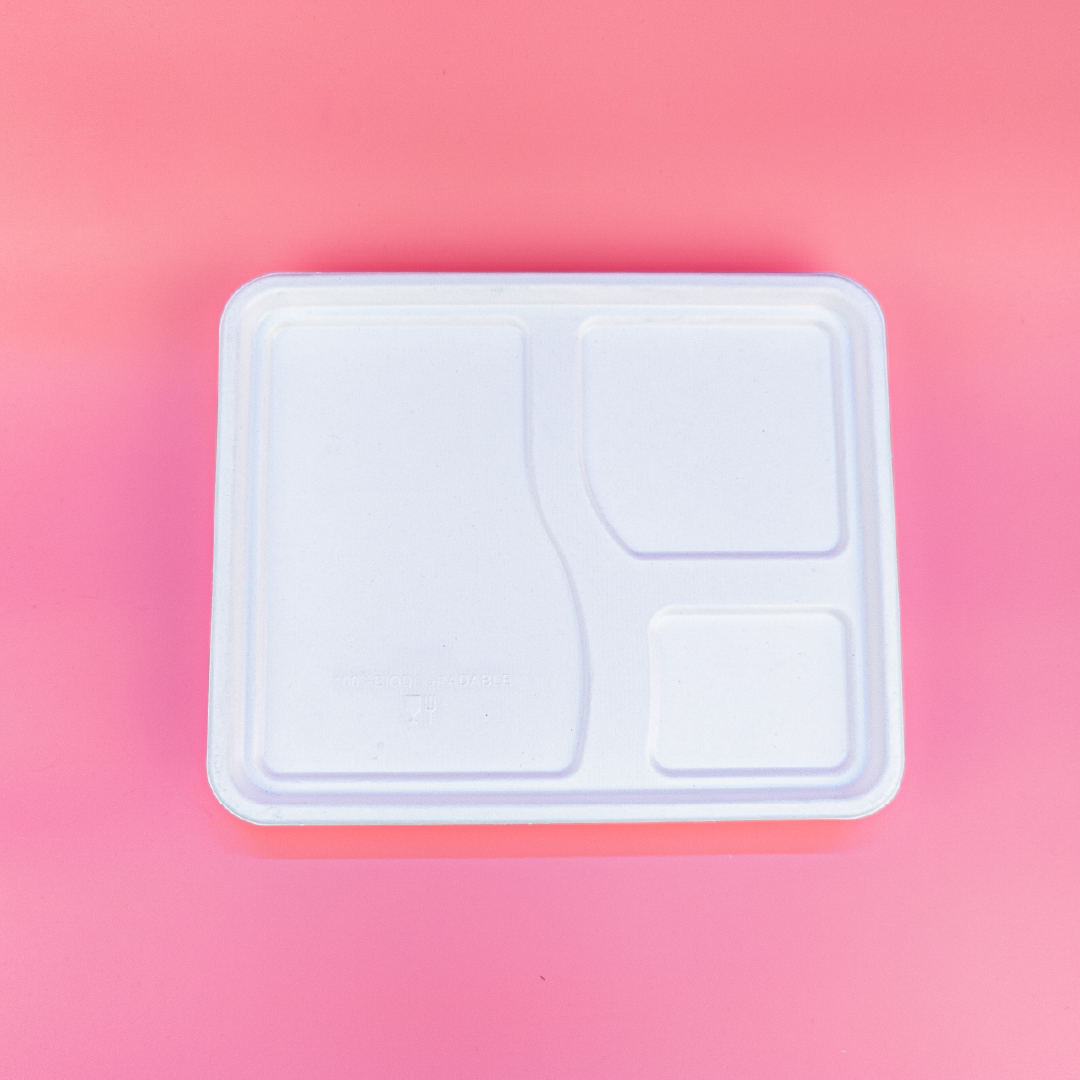
We source and export bagasse tableware, working directly with the makers, so this guide explains it from close to the making side: what bagasse is, how it becomes tableware, whether it is genuinely compostable, what it is good at, and where it is used. No hype, just what a buyer should know.
What is bagasse?
When sugar mills crush sugarcane to extract the juice, they are left with a large volume of dry, fibrous residue. That residue is bagasse. For a long time it was simply burned as fuel or discarded. Because it is a byproduct of an existing crop, using it for tableware upcycles a material that already exists, rather than growing something new or drilling for oil. The same word, bagasse, is sometimes used for the residue of other crops, but in tableware it almost always means sugarcane bagasse.
How is bagasse tableware made?
The process turns loose fibre into a rigid product:
- Pulping. The bagasse fibre is cleaned and made into a wet pulp.
- Molding under heat and pressure. The pulp is pressed in heated molds that form the plate, bowl, or container shape and drive off the water, leaving a firm, dry item.
- Trimming and quality check. Edges are trimmed and the pieces are checked and stacked.
Because the product is molded rather than cut, makers can produce specific shapes, sizes, and compartment layouts, from round plates to hinged clamshells and multi-compartment meal trays.
Is bagasse compostable?
Yes, bagasse is compostable. As a plant fibre with no plastic lining, it breaks down under composting conditions, and it is a common choice for businesses moving away from single-use plastic and foam. In practice, most bagasse tableware is industrially compostable, meaning it breaks down fastest in a commercial composting facility. If a specific compostability certification matters for your market, such as the standards your import or municipal programs require, ask your supplier for the documentation rather than assuming; we provide product and test documentation on request. For a fuller explanation of the terms, see the difference between compostable and biodegradable, which are often confused.
What makes bagasse good for food?
Bagasse is popular for foodservice because it behaves well with real meals, not just dry items:
- Grease and water resistant, so it holds hot, oily, and saucy food without going soggy.
- Microwave and freezer safe, which suits takeaway, reheating, and meal prep.
- Sturdy and rigid, so plates and clamshells do not flex or collapse under a full serving.
- Plant-based and plastic-free, made from an upcycled agricultural byproduct.
That combination is why bagasse has largely replaced foam for takeaway in many markets.
The bagasse product range
Because it is molded, bagasse comes in a full serving range. A typical line includes:
- Plates in round and square shapes, plain or with compartments.
- Bowls for soups, salads, and sides.
- Hinged clamshells and takeaway boxes, often in sizes like 6×6, 8×8, and 9×9 inch, with single, two, or three compartments.
- Meal trays with lids, in three to eight compartment layouts for combo meals.
- Snack trays and other formats.
You can see the full range on the bagasse tableware collection.
What is bagasse tableware used for?
Its strength and heat tolerance make it a workhorse for foodservice:
- Takeaway and delivery packaging for restaurants, cloud kitchens, and QSRs.
- Catering and events, where plates and compartment trays serve full meals.
- Meal prep and subscription brands that need plastic-free trays with lids.
- Canteens and institutions replacing foam with a compostable alternative.
If you are choosing packaging for a restaurant or cloud kitchen, our compostable foodservice packaging buyer’s guide walks through matching formats to your menu.
Bagasse vs plastic and foam
Plastic and foam are cheap and effective but are made from fossil resources and persist in the environment. Bagasse matches most of their practical performance for food, holding heat, grease, and weight, while being made from an upcycled plant byproduct and being compostable at end of life. The main trade-off is cost, since bagasse usually sits a little above foam per unit, which is why buyers weigh it against their brand and their customers’ expectations.
Buying bagasse tableware in bulk
Bagasse is bought wholesale by restaurants, distributors, and importers, and is often private labelled. We supply the range above and export it worldwide from sample cartons to full containers, with samples available first. Browse the compostable takeout containers, the bagasse collection, or our bagasse manufacturing details, or request a quote. You can also reach us on WhatsApp or call at 916381509553.
Frequently asked questions
What is bagasse made of?
Bagasse is the fibrous pulp left after juice is pressed from sugarcane. In tableware it is that sugarcane fibre, molded under heat and pressure into plates, bowls, and containers, with no plastic lining.
Is bagasse microwave and freezer safe?
Yes. Bagasse tableware handles both microwave reheating and freezer storage, which makes it suitable for takeaway, delivery, and meal prep.
Is bagasse compostable or biodegradable?
Compostable. As an unlined plant fibre it breaks down under composting conditions, most fully in an industrial composting facility. Request compostability documentation for your specific market if you need it.
Is bagasse better than plastic?
For most foodservice uses it matches plastic and foam on heat, grease, and strength while being made from an upcycled plant byproduct and being compostable. It usually costs a little more per unit.
Written by Gulshan Iyer, Arbhu Enterprises, a manufacturer and exporter of compostable tableware in India. See our compostable takeout containers or all our guides.
Bagasse tableware is widely private labelled. See private label and OEM eco tableware.
US importers should also read Import Alert 23-15 and bagasse alternatives, which explains why bagasse sits outside the palm leaf dinnerware alert.