Running a catering operation rather than a single venue? See our compostable tableware for caterers sourcing guide.
Compostable foodservice packaging is takeaway and meal packaging made from plant fibre such as sugarcane bagasse, designed to hold hot, greasy, and wet food, then break down into compost instead of sitting in landfill. For a restaurant or cloud kitchen, choosing it well comes down to five things: the right material, grease and heat resistance, the right formats and sizes for your menu, a workable cost and minimum order, and honest sustainability claims. This guide walks a buyer through each one.
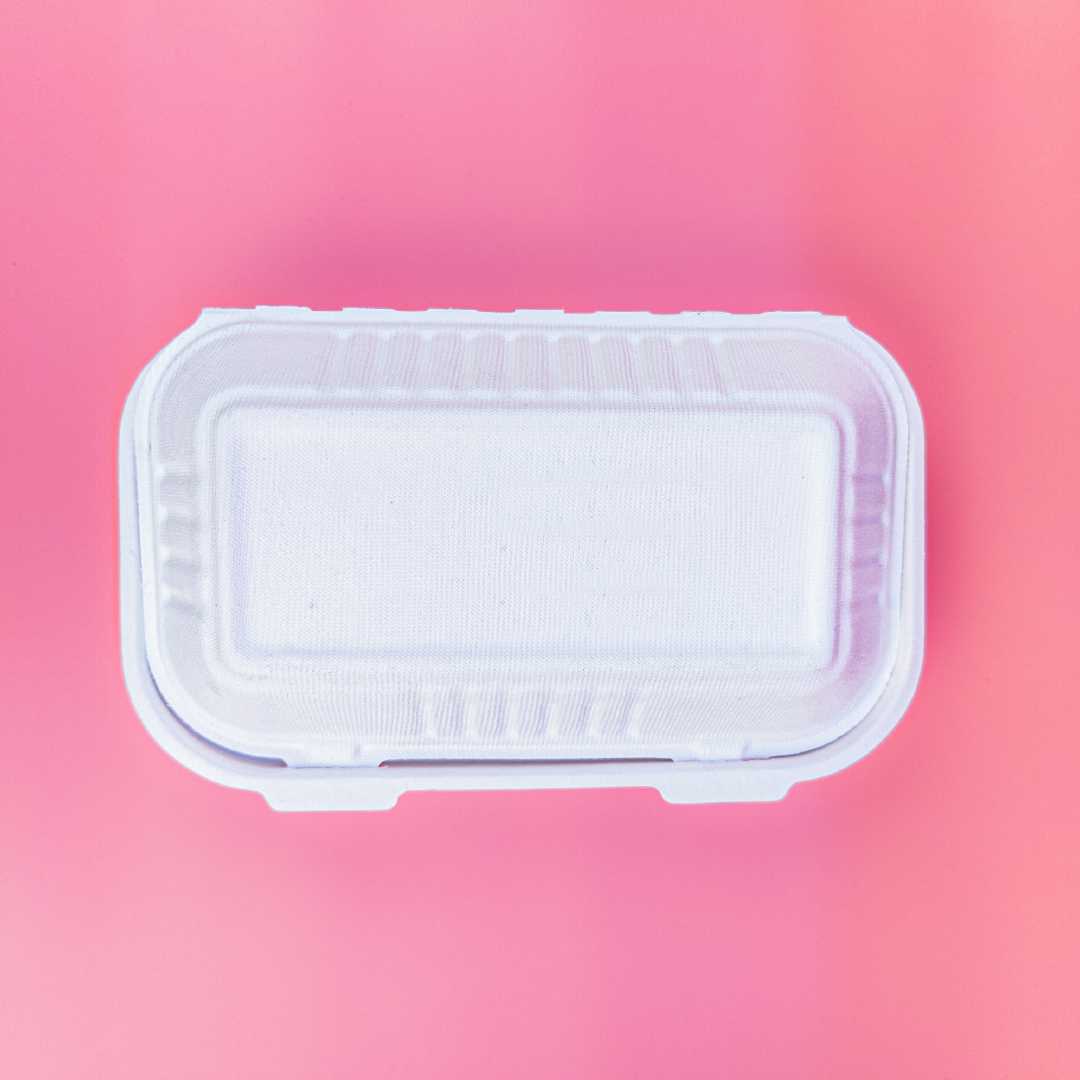
We manufacture areca palm leaf tableware in our own units and source bagasse and our other packaging lines from partner manufacturers in India, exporting all of it under our own Importer-Exporter Code. This is the same checklist I give buyers who ask what to look for before they place a first order.
What to look for before you buy
Most packaging mistakes come from skipping one of these checks:
- Material. Unlined plant fibre, most commonly sugarcane bagasse, is sturdy, grease resistant, and compostable without a plastic layer. To understand the material itself, see our guide to what bagasse is.
- Grease and moisture resistance. Foodservice packaging has to hold curry, oil, and sauce without leaking or going soft. Bagasse is naturally grease and water resistant, which is why it suits hot and wet meals rather than only dry items.
- Heat tolerance. If food is reheated or held hot, you want packaging that is microwave and freezer safe. Bagasse tableware handles both, which matters for meal prep and delivery.
- Fit to your menu. The container should match your portion sizes and whether the meal needs compartments to keep components separate. More on this below.
- Compostability you can document. “Compostable” should be a claim you can back up. Most foodservice fibre is industrially compostable; ask the supplier for documentation for your market. The difference between the two words is worth knowing, so see compostable vs biodegradable.
The main formats, and what each is for
Compostable foodservice packaging comes in a handful of formats. Matching the format to the food is most of the job:
- Hinged clamshells and takeaway boxes. The workhorse of delivery and takeaway. Common sizes are around 6×6, 8×8, and 9×9 inch, with one, two, or three compartments. Good for burgers, rice bowls, and single-plate meals.
- Meal trays with lids. Multi-compartment trays, typically in three to eight compartment layouts, keep a curry, rice, and a side apart in one container. These are the natural fit for combo meals, thalis, and meal-prep subscriptions. See our disposable plates with compartments.
- Plates. Round or square, plain or compartmented, for dine-in, events, and catering where a container is overkill.
- Bowls. For soups, salads, curries, and grain bowls that a flat plate cannot hold.
- Cups. For cold drinks and, in the right liner spec, hot ones.
For the container formats specifically, our compostable takeout containers page lists the current range, or browse the full bagasse tableware catalogue.
Matching packaging to your menu
A useful way to choose is to start from the food, not the container:
| If you serve | Consider |
|---|---|
| Single-plate mains (burgers, rice bowls) | Hinged clamshell, single compartment |
| Combo meals, thalis, meal prep | Multi-compartment meal tray with lid |
| Curries, soups, wet dishes | Bowl with lid, or deep container |
| Dine-in or catering plating | Round or square plates, plain or compartment |
| Sides and salads to go | Small bowl or clamshell |
Two practical points. First, if any component is saucy, a compartment tray earns its keep by stopping the meal turning to mush in transit. Second, order lids and bases as a matched set from the start, since a tray without a secure lid is not delivery-ready.
The cost and MOQ reality
Compostable packaging usually costs more per unit than thin plastic, and it is honest to say so. The gap has narrowed, and for most operators it is a small share of the overall dish cost, but it is real. The way to make the numbers work is to buy in the right quantity and to understand your true landed cost, not just the unit price on a quote.
If you are importing, the unit price is only part of the story: freight, duties, and last-mile handling all sit on top. We break this down in our guide to landed cost and 3PL, and cover order minimums in the guide to minimum order quantity. Buying closer to a full case or pallet, rather than sampling quantities, is usually what moves the per-unit price into a workable range.
Getting sustainability claims right
If part of why you are switching is to tell customers your packaging is better for the planet, the claim has to hold up. Two rules keep you safe. Use the precise word: “compostable,” backed by a recognised standard, is a testable claim, whereas a bare “biodegradable” is vague and, in some markets, can breach labelling rules. And check disposal: most foodservice fibre is industrially compostable, so it composts fully in a commercial facility rather than a backyard bin, and your customer-facing message should say so. Ask your supplier which standard the product meets and request the documentation. We provide product and test documentation on request.
How to start
The low-risk path is to sample the one or two formats that cover most of your menu, confirm they hold your actual dishes without leaking or softening, then place a first bulk order of those. If you want help matching formats and sizes to your menu, or a quote with the real landed cost, get in touch; there is no online payment, it is a quote request.
Frequently asked questions
What is compostable foodservice packaging made of?
Most is made from plant fibre, commonly sugarcane bagasse, the fibre left after sugar is extracted from cane. It is molded into plates, bowls, clamshells, and trays with no plastic layer, so it is grease resistant and compostable.
Is compostable packaging strong enough for hot, greasy, or wet food?
Yes. Sugarcane bagasse is naturally grease and water resistant and is microwave and freezer safe, so it holds hot mains, curries, and saucy dishes without leaking or going soft, which is why it suits takeaway and meal prep.
What sizes and formats does it come in?
The common formats are hinged clamshells (around 6×6, 8×8, and 9×9 inch, with one to three compartments), multi-compartment meal trays with lids (three to eight compartments), plates, bowls, and cups. You match the format to your portion sizes and whether the meal needs compartments.
Does compostable packaging cost more than plastic?
Usually a little more per unit, though the gap has narrowed. For most operators it is a small share of dish cost. Buying in full-case or pallet quantities, and working from true landed cost rather than unit price alone, is what keeps it economical.
Is it home compostable or industrial?
Most foodservice fibre is industrially compostable, meaning it breaks down fully in a commercial composting facility. Ask your supplier which standard it meets and request documentation for your market.
Written by Gulshan Iyer, Arbhu Enterprises, a manufacturer and exporter of compostable tableware in India. See our guides to bagasse and compostable vs biodegradable, or all our guides.