Compostable and biodegradable are not the same thing. Biodegradable means a material will eventually break down by natural processes, with no set timeframe or end result. Compostable means it breaks down into non-toxic compost within a defined time under composting conditions, and is usually certified to a standard. All compostable products are biodegradable, but most biodegradable products are not compostable. The difference matters when you buy eco packaging, because one is a precise, testable claim and the other is often just marketing.
As a manufacturer, I see these two words used interchangeably all the time, and it causes real confusion for buyers. Here is the plain difference.
At a glance
| Biodegradable | Compostable | |
|---|---|---|
| What it means | Breaks down by microorganisms, eventually | Breaks down into CO2, water, and biomass in a set time |
| Timeframe | Undefined (could be years) | Defined (often ~90-180 days industrially) |
| End result | May leave fragments or residue | Non-toxic compost, no harmful residue |
| Certification | Usually none | EN 13432, ASTM D6400/D6868, BPI, OK Compost |
| How regulated | Vague, largely unregulated | Standards-based and testable |
What “biodegradable” really means
Biodegradable simply means a material can be broken down by living organisms such as bacteria and fungi. The catch is that the term sets no timeframe and no end point. Given enough time, almost everything biodegrades, so “biodegradable” on a label tells you very little on its own. It does not promise the item disappears quickly, and it does not promise it leaves nothing harmful behind. Some so-called biodegradable plastics simply fragment into smaller pieces, including microplastics, which is the opposite of what most buyers want. Because the word is largely unregulated, treat a bare “biodegradable” claim with healthy caution.
What “compostable” really means
Compostable is the stronger, more precise claim. A compostable product breaks down, within a defined period and under composting conditions, into carbon dioxide, water, and biomass, leaving non-toxic compost and no harmful residue. Crucially, compostable claims are usually backed by testing against a recognised standard:
- EN 13432 is the main European standard for compostable packaging.
- ASTM D6400 and D6868 are the equivalent standards in the United States.
- BPI certification in the US, and OK Compost in Europe, are common certification marks based on those standards.
So where “biodegradable” is a vague promise, “compostable” is a measurable one you can ask a supplier to document.
Industrial vs home compostable
One more distinction matters. Most certified compostable foodservice items are industrially compostable, meaning they break down fully in a commercial composting facility, which runs hotter than a backyard pile. Home compostable is a separate, stricter claim, verified by marks such as OK Compost HOME, for materials that break down in a home compost bin. When a product says “compostable,” it is worth checking which one is meant, because it changes how your customers should dispose of it.
Why the difference matters when you buy
If you sell to customers who care about sustainability, the words on your packaging are a claim you are responsible for. A precise, certified compostable claim protects you and informs your customer. A loose “biodegradable” claim can invite greenwashing criticism, and in some markets it can breach labelling rules. The practical rule for buyers: prefer certified compostable, ask the supplier which standard and which composting method it meets, and request the documentation rather than taking a label at face value.
Where bagasse and plant-fibre tableware fit
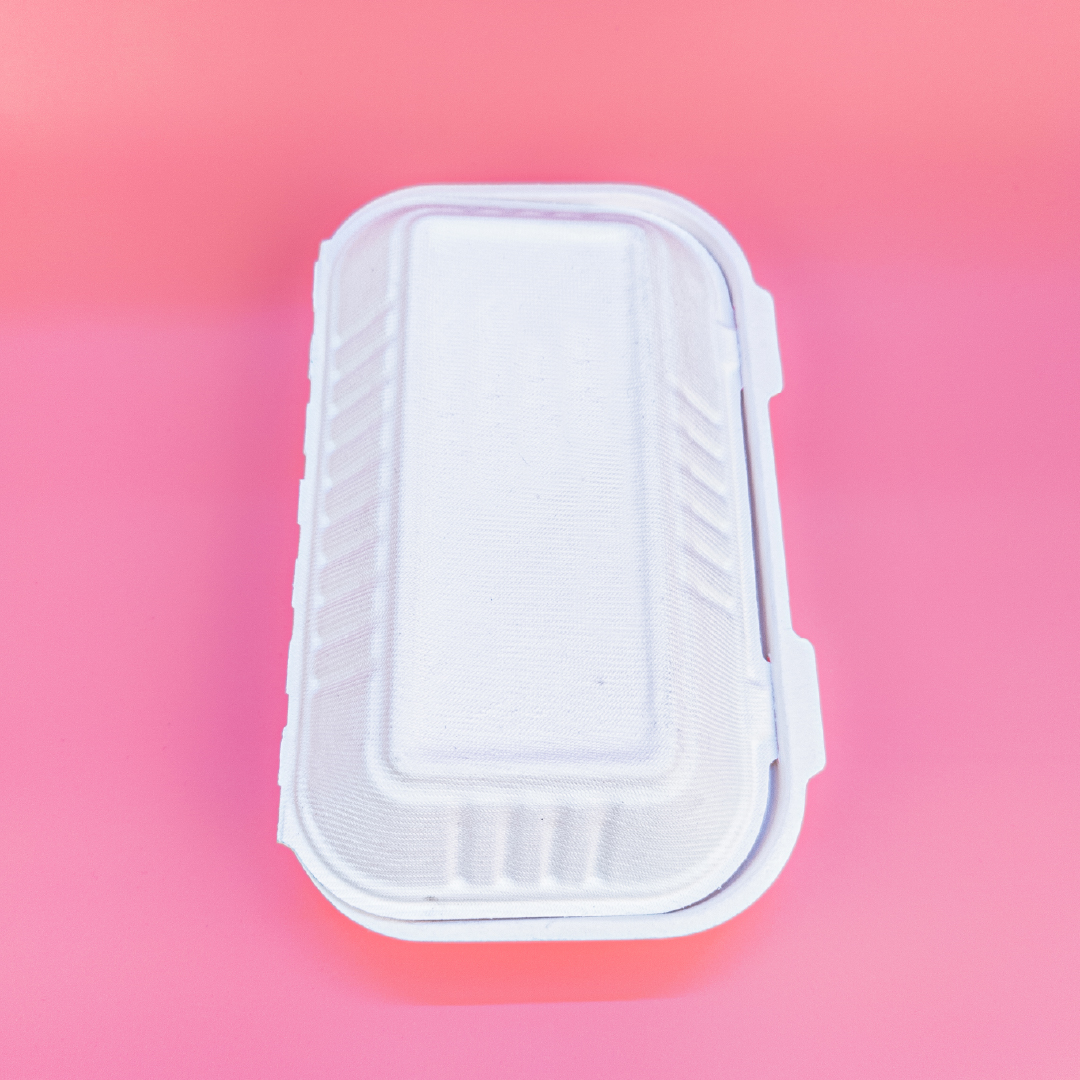
Unlined plant-fibre products such as sugarcane bagasse tableware are compostable, not merely biodegradable, because they are a natural fibre with no plastic layer and they break down cleanly under composting conditions. Most are industrially compostable. If a specific standard matters for your market, ask for the documentation; we provide product and test documentation on request. To understand the material itself, see our guide to what bagasse is, or browse our compostable takeout containers.
Frequently asked questions
Is compostable the same as biodegradable?
No. All compostable items are biodegradable, but most biodegradable items are not compostable. Compostable is a defined, certifiable claim (breaks into non-toxic compost within a set time); biodegradable is vague and unregulated.
Which is better, compostable or biodegradable?
Compostable, in almost every case. It is a precise, testable claim backed by standards like EN 13432 and ASTM D6400, whereas “biodegradable” alone tells you little about time or end result.
What is the difference between industrial and home compostable?
Industrially compostable items break down in a hot commercial composting facility; home compostable items are certified to break down in a cooler home compost bin. Most foodservice items are industrially compostable.
Is bagasse compostable or biodegradable?
Compostable. As an unlined sugarcane fibre it breaks down cleanly under composting conditions, most fully in an industrial facility. Request compostability documentation for your market if you need it.
Written by Gulshan Iyer, Arbhu Enterprises, a manufacturer and exporter of compostable tableware in India. See our guide to bagasse or all our guides.